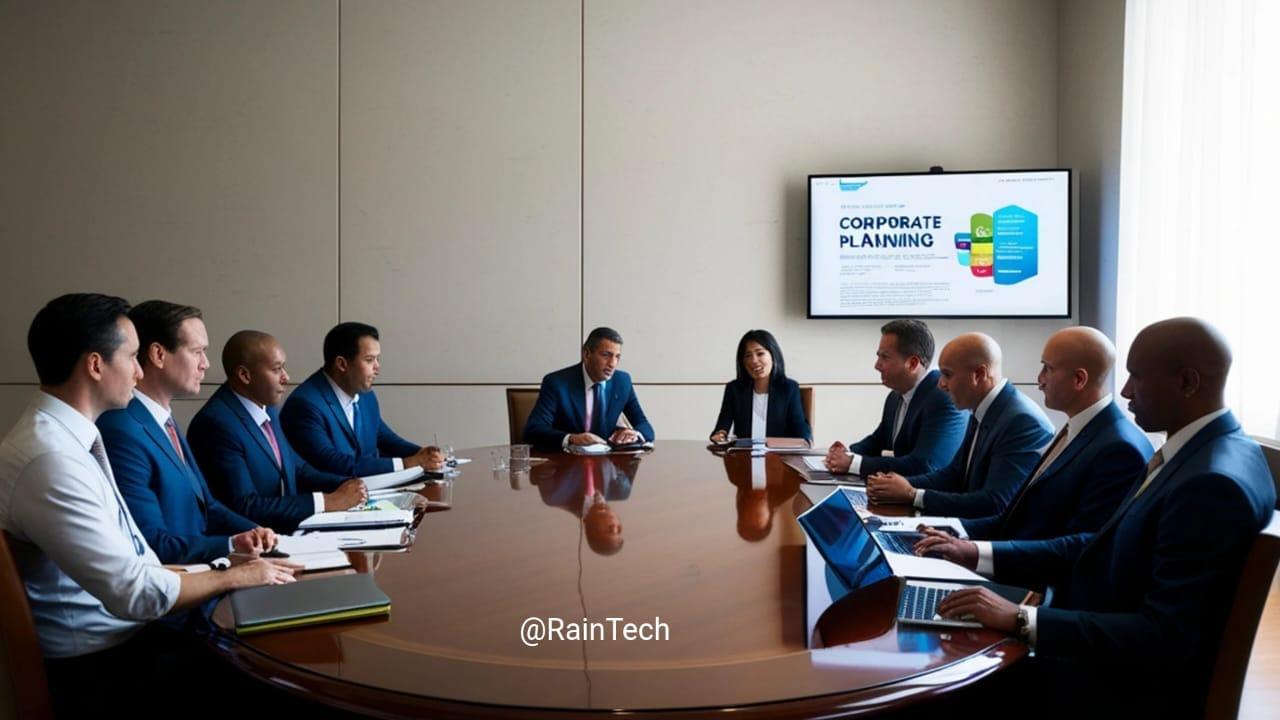
Global companies are increasingly turning to Indonesia to build engineering and operations teams, but each decision maker inside the company often sees the move through a different lens.
Founders think about runway and speed, HR leaders worry about compliance and employee experience, and finance teams focus on cost, tax, and risk.
This article breaks down what each group needs to know before choosing between an Employer of Record (EOR), outsourcing, or setting up a local entity, so everyone can move forward with the same, shared plan for hiring in Indonesia.
Why Alignment Across Functions Matters
When a company expands into Indonesia, founders usually focus on speed and opportunity, HR focuses on compliance and people, and finance focuses on cost and risk.
If those perspectives are not aligned, decisions around EOR, outsourcing, or setting up a local entity can feel like an internal tug-of-war instead of a clear strategy.
Indonesia's tech market is attractive: a large pool of young, skilled developers, competitive salary levels, and a growing remote work culture.
But local employment rules, tax obligations, and documentation requirements are strict, so choosing the wrong hiring path can create headaches for years.
What Founders Need to Know
For founders, the core questions are simple: how fast can we start, how much flexibility do we have, and when does it make sense to invest in a full local entity.
Employer of Record (EOR) allows founder to start hiring in weeks instead of months by using a licensed local partner as the legal employer, while the founding team keep control of day-to-day work and culture.
RainTech's founders have spent years building and leading engineering teams across Southeast Asia, often seeing global companies hesitate because they do not fully understand local rules or how strong Indonesian talent actually is.
That experience shaped how RainTech was built: as a bridge that combines on-the-ground hiring lessons with a practical playbook for entering Indonesia without overcomplicating the first step.
From a founder's point of view, EOR is usually ideal when:
- You want to test the market or build a pilot team before committing to a full entity.
- You need to move quickly but still want clean, auditable compliance and transparent costs.
Setting up a local company (PT) makes more sense once you have stable revenue streams from Indonesia, need a stronger local brand presence, or must sign certain contracts that require a domestic entity.
What HR Leaders Need to Know
HR leaders think in terms of contracts, policies, and employee experience over time. In Indonesia, this includes topics like mandatory social security (BPJS), leave entitlements, overtime rules, and how to manage fair termination processes, all under regulations that evolve regularly.
With an EOR model, the partner in Indonesia becomes the formal employer on paper: handling employment contracts, payroll, tax filing, and statutory benefits, while the client still manages performance, workload, and career development.
For HR, the questions become: does this partner really understand local labor law, do they document everything properly, and will they support employees with clear communication and reliable service.
RainTech's journey is tightly connected to these HR concerns. The team started by helping global companies find Indonesian developers, then repeatedly heard the same worry: "We love the candidates, but how do we employ them safely without a local company?"
That pushed RainTech to expand from recruitment into EOR and outsourcing, combining talent selection with ongoing HR and compliance support so HR teams abroad can treat Indonesian staff as part of global team.
What Finance and CFOs Need to Know
Finance leaders care about total cost of employment, predictability, and exposure to legal or tax penalties. Indonesia's regulations introduce extra layers beyond salary, such as employer contributions, income tax withholding, and potential severance obligations that must be modeled correctly from day one.
An EOR arrangement can turn many fixed, upfront expansion costs into more flexible operating expenses by avoiding entity setup, minimizing local administration, and bundling payroll plus compliance into a single service fee.
This gives CFOs clearer monthly cash-flow visibility and easier scenario planning around headcount changes or market shifts.
External reviews often highlight RainTech as a tech-forward EOR and payroll partner in Indonesia, emphasizing flexible pricing, support for remote and hybrid setups, and strong local HR administration.
For finance teams, this combination of local expertise and transparent structure helps reduce unknowns when planning multi-year budgets that include Indonesian teams.
Turning Three Perspectives Into One Plan
The real leverage comes when founders, HR, and finance build a shared view of Indonesia instead of three disjointed checklists.
A practical way to do this is: start with a business goal (market test, specialist engineering hub, or deep market expansion), pick the hiring model that fits that stage, then agree on clear guardrails for compliance, cost, and employee experience.
RainTech's role is to make that conversation concrete. The team can walk through real-world scenarios from other clients, show what costs and timelines actually look like, and explain how Indonesia labor rules apply to different hiring plans, so every decision maker sees the same picture instead of their own siloed version.
This mix of founder experience, brand evolution, and third-party recognition gives global teams a practical, experience-based partner rather than a purely theoretical advisor.
Conclusion
Hiring in Indonesia is not just a legal checkbox; it is a strategic choice that affects how fast you can move, how protected your company is, and how confident your people feel working across borders.
When founders, HR, and finance share one clear plan and work with an experienced EOR partner, expanding into Indonesia becomes less about risk and more about building a stable, scalable team that actually supports your long-term roadmap.
If you want to explore which hiring model fits your stage, risk appetite, and budget, contact RainTech today to walk through real scenarios tailored to your company.
Before you decide on your next step, these related guides from RainTech's resource hub can give you more context:
- Understanding Employer of Record: An Essential Guide for Global Companies Hiring in Indonesia
- Outsourcing and Employer of Record Trends in Indonesia: What Global Companies Need to Know
- How RainTech Solves Tech Talent Shortage by Hiring Remote Teams in Indonesia
- Top 7 Factors Driving Indonesia's Tech Talent Growth in APAC
References:
- Asanify, 10 Best EOR Service Providers in Indonesia
- AnywhereR, Employee of Record Indonesia: Top EOR Providers
I