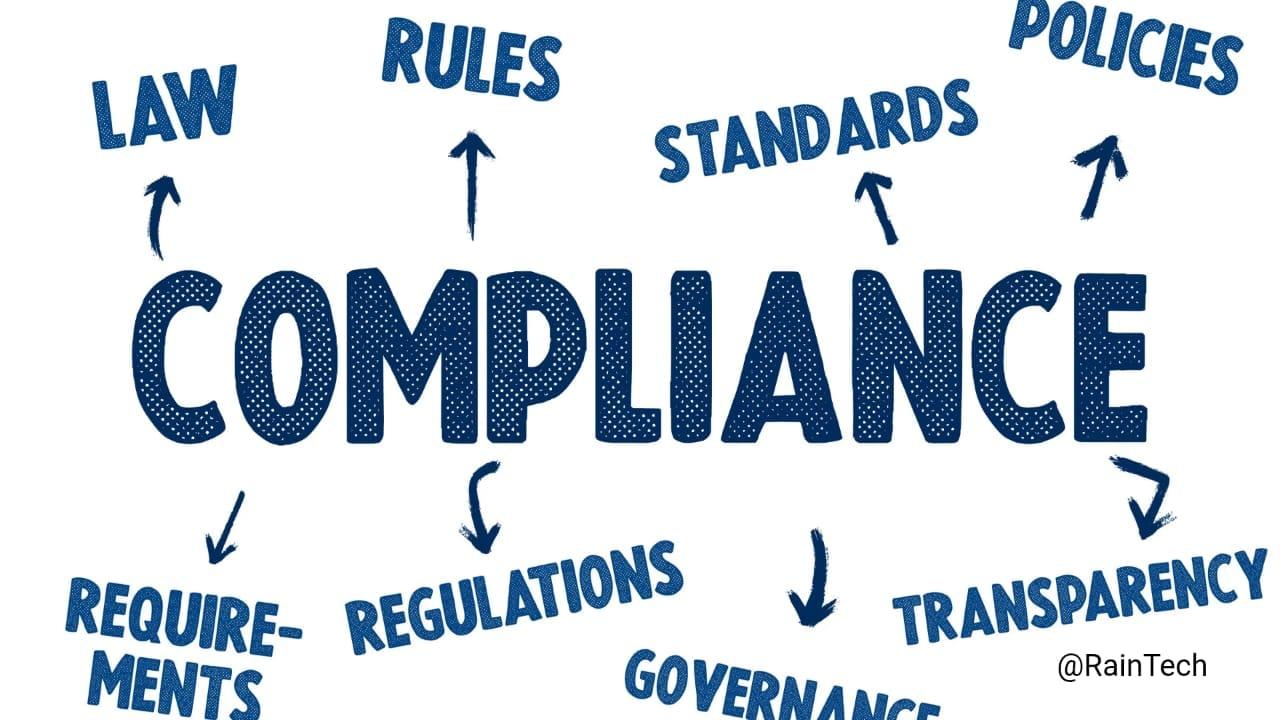
Working with an Employer of Record (EOR) or outsourcing partner in Indonesia means trusting a third party with employment status, payroll, tax, and compliance.
A strong EOR can speed up your expansion and reduce risks, while the wrong one can create penalties, back payments, and reputation damage.
A structured audit helps you see whether their promises are backed by real processes and local legal expertise.
What You Should Audit First
Start with the fundamentals before you look at "nice to have" features:
1.Review Legal Status and Licenses.
Your EOR should be a properly registered Indonesian legal entity, with valid business registrations, tax number (NPWP), and any licenses required for manpower or outsourcing activity.
If they support foreign employees via EOR, confirm they understand work permit rules (RPTKA, IMTA/ITAS) and the limits around using EOR structures for expatriates.
2.Audit the Employment Structure and Contracts
Ask to see sample employment agreements (with personal data removed) and check whether they follow Indonesian labor law or contract type (fixed vs permanent), working hours, overtime, leave, bonuses, THR, and termination/severance.
Vague contracts that do not clearly define rights and obligations are a warning sign for future disputes with employees.
3.Unpack Payroll, Tax, and BPJS Flows
Request a written overview and concrete. Examples: how they calculate net pay, how they handle income tax (PPh 21), and how they manage BPJS Ketenagakerjaan and BPJS Kesehatan contributions.
A solid EOR can show consistent monthly payment records, tax filings, and a clear compliance checklist, not just a high-level slide.
Why EOR Audit Matters
From RainTech's experience, almost every new client starts with two questions: "Can you help us hire qualified talent in Indonesia, and how fast can you do it?" followed by "if we don't have a local entity, how can we stay fully legal?".
These questions are exactly why compliance has to be treated as the foundation of any EOR relationship, not something you revisit later.
As a former software engineer who saw the potential of Indonesian developers during the pandemic and "tech-winter", RainTech's founder wanted to open global opportunities without asking talent or clients to compromise on legal safety or fairness.
That is why there is so much emphasis on clear contracts, transparent payroll, accurate PPh21, and properly managed BPJS.
When an EOR cannot explain these basics in simple language, RainTech sees it as a red flag that is hard to fix later.
What Clients Actually Look For
In real conversations, clients rarely start with technical jargon. They ask practical questions such as: "What is your typical time-to-hire for this type of role?" or "What happens if the hire is not a good fit after three months?".
International companies almost always add questions about tax exposure, legal structure, and how the EOR model protects them inside Indonesia.
Over time, RainTech has seen the same pattern in decision-makers: founders and HR leads in startups, and HR plus finance teams in larger companies.
They usually move forward when they see three things together: meaningful costs savings compared to high-cost markets, measurable hiring speed, and proof that there is a live, actively curated database of Indonesian tech talent behind the scenes.
For your audit, this translates into asking for real data: time-to-hire examples for roles similar to yours, sample compliance reports, and concrete stories of urgent onboarding that were successfully delivered.
Long-term clients also talk a lot about communication: they need partner who is responsive, honest when something is stuck, and able to translate regulatory changes into clear business impact.
So, when you audit an EOR, it's not just about checking legal documents, it is also about testing how they communicate, educate, and support your team day to day.
A Practical EOR Audit Checklist
Here is a simple checklist you can adapt:
- Proof of legal registration and the right business licenses in Indonesia.
- Sample employment contracts that clearly follow local labor law.
- A documented payroll, tax, and BPJS process, with example pay slips and tax/BPJS payment proof.
- Written SLAs for response times, payroll corrections, and dispute handling.
- Sample monthly client reports and any internal audit or compliance documentation.
- References from clients with a similar team model (remote, hybrid, multi-country).
This checklist helps you shift the conversation from "trust us" to "show us", which protects both your business and your Indonesian employees.
Conclusion
Relying on an EOR or outsourcing partner in Indonesia can be the fastest way to build a team, but it is only safe if you truly understand how they work and what they are accountable for.
A thoughtful audit gives you clarity on whether your current partner is strong enough, or whether you should consider alternatives.
If you want to review the EOR you are using today or need guidance in choosing your first partner in Indonesia, you can reach out to RainTech for a no-obligation EOR audit session.
The resources below will deepen your knowledge of compliance requirements, EOR benefits versus traditional hiring structures, and how to build a compliance-first culture in your remote organization:
- Navigating Indonesian Payroll and Tax Compliance for Remote Employees
- 5 Essential Legal Compliance Areas in Indonesia & How RainTech's EOR Protects Your Business
- 7 Compliance Challenges for APAC Remote Teams in 2025
- Indonesia Hiring: Why Most Founders Choose Wrong
- Comparing H-1B Visa Sponsorship vs Employer of Record: Best Options After $100K Fee
References: