If you need to hire a senior Node.js expert, the hard part is not finding CVs, it is finding engineers who have already run production APIs, at a cost and speed your roadmap can absorb.
A Netherlands-based IT solutions company was in exactly that position, until they partnered with RainTech, hired two senior Indonesian Node.js engineers in 18 days, and cut total hiring costs by around 60% while improving API performance and feature delivery.
If this sounds uncomfortably familiar, it’s usually not your engineering team that’s the bottleneck, it’s the hiring model you’re using.
Book a 30-minute call with RainTech to map your current hiring bottlenecks and see what a 30–60 day plan with senior Indonesian engineers could look like for your stack, roadmap, and budget.
When Local Hiring in Europe Stops Making Sense
This Dutch IT company was scaling quickly and needed Senior Backend Engineers (Node.js + AWS) who could own production systems end to end. On paper, the market looked full of talent; in practice, their hiring funnel kept breaking.
Here’s what “broken” looked like:
- Cost spiral: local salaries plus agency fees made each hire hard to justify to finance and investors.
- Slow cycles: recruitment took 6–8 weeks per role, which meant shifting roadmap dates to fit hiring reality, not business goals.
- Experience gap: many candidates had only small-project or non-production experience, not the production-scale API work they actually needed.
- Investor pressure: missed milestones turned hiring into a board topic—“Why aren’t these roles filled yet?”
Continuing this way meant delayed feature launches, higher churn risk from API instability, and tougher conversations around future funding tied to delivery.
What They Actually Needed (Beyond "Node.js Developer")
The job description said “Senior Backend Engineer (Node.js, AWS).” The real requirement was a specific mix of architecture skills, hands-on operations, and remote collaboration.
Technical must-haves:
- Node.js in a microservices architecture, designing and maintaining business-critical APIs.
- AWS infrastructure and CI/CD: deploying, monitoring, and operating services, not just handing code to ops.
- Real production experience: handling incidents, reducing latency, and improving maintainability.
Ways of working they couldn’t compromise on:
- Strong ownership mindset: treating services as “theirs,” not just a queue of tickets.
- Clear async communication across time zones, including written updates and decision logs.
- Comfortable working in English and asking for clarification on trade-offs and requirements.
How RainTech's Vetting and EOR Stack Changed the Timeline
Instead of sending a long list of CVs, RainTech plugged the client into a vetted, Indonesia-focused pipeline that had already been used across multiple global teams. The goal was simple: more signal, less noise.
RainTech’s vetting playbook for this engagement:
- Deep technical screening led by experienced engineers, with scenarios around Node.js microservices, AWS operations, and debugging real incidents.
- Portfolio validation on actual production systems (scale, complexity, performance), not only side projects.
- Communication and cultural fit checks to ensure candidates could operate in a distributed, English-speaking environment.
- Transparent notes on each candidate’s strengths and growth areas so expectations were aligned before offers.
Within 12 days from the first scoping call, RainTech presented four pre-vetted Indonesian backend engineers that matched the profile. The client interviewed them and hired two.
Behind the scenes, the cross-border setup also had to be clean. Because the engineers were based in Indonesia and the company was in the Netherlands, they needed a compliant way to hire without opening a local entity. RainTech handled:
- Employer of Record (EOR) setup in Indonesia so the client could compliantly engage the engineers.
- Payroll, tax, and compliance aligned with Indonesian regulations and the client’s compensation structure.
- Contracts, onboarding, and HR support so the engineers could start contributing quickly.
From the first call with RainTech to the engineers’ first working day, the full process took 18 days.
If you want a closer look at the underlying sourcing and preparation system RainTech uses for Indonesian engineers, this case pairs well with: 5 Proven Steps RainTech Sources and Prepares Indonesian Tech Talent
What Changed: The Before-and-After Snapshot
Here’s how the engagement looked when you zoom out on business and engineering impact.

In short: time to hire fell from 6 to 8 weeks per role to 18 days from first call to first working day, costs came in about 60% below comparable local hires, API latency dropped 35% after the new hires joined, and two major features shipped within 6 weeks.
If you’re considering expanding beyond one or two hires, this guide breaks down how long each stage of hiring in Indonesia takes: From Months to Weeks: Time to Hire in Indonesia
The Human Side: From "Remote Resources" to Core Team Members
The numbers matter, but they weren’t the only thing that changed. The two engineers RainTech placed quickly became core contributors rather than “remote extras” orbiting the main team.
What the client noticed:
- Ownership: they treated key services as their responsibility, not just a backlog.
- Async clarity: they kept people unblocked with structured written updates, design notes, and clear handovers across time zones.
- Accountability: in incidents, they helped drive root-cause analysis and long-term fixes instead of only quick patches.
On the talent side, this is supported by how RainTech helps Indonesian engineers build portfolios and habits that align with global expectations: Strategic Portfolio Building for Indonesian Tech Talent
Why This Matters if You're Planning the Next 6-12 Months
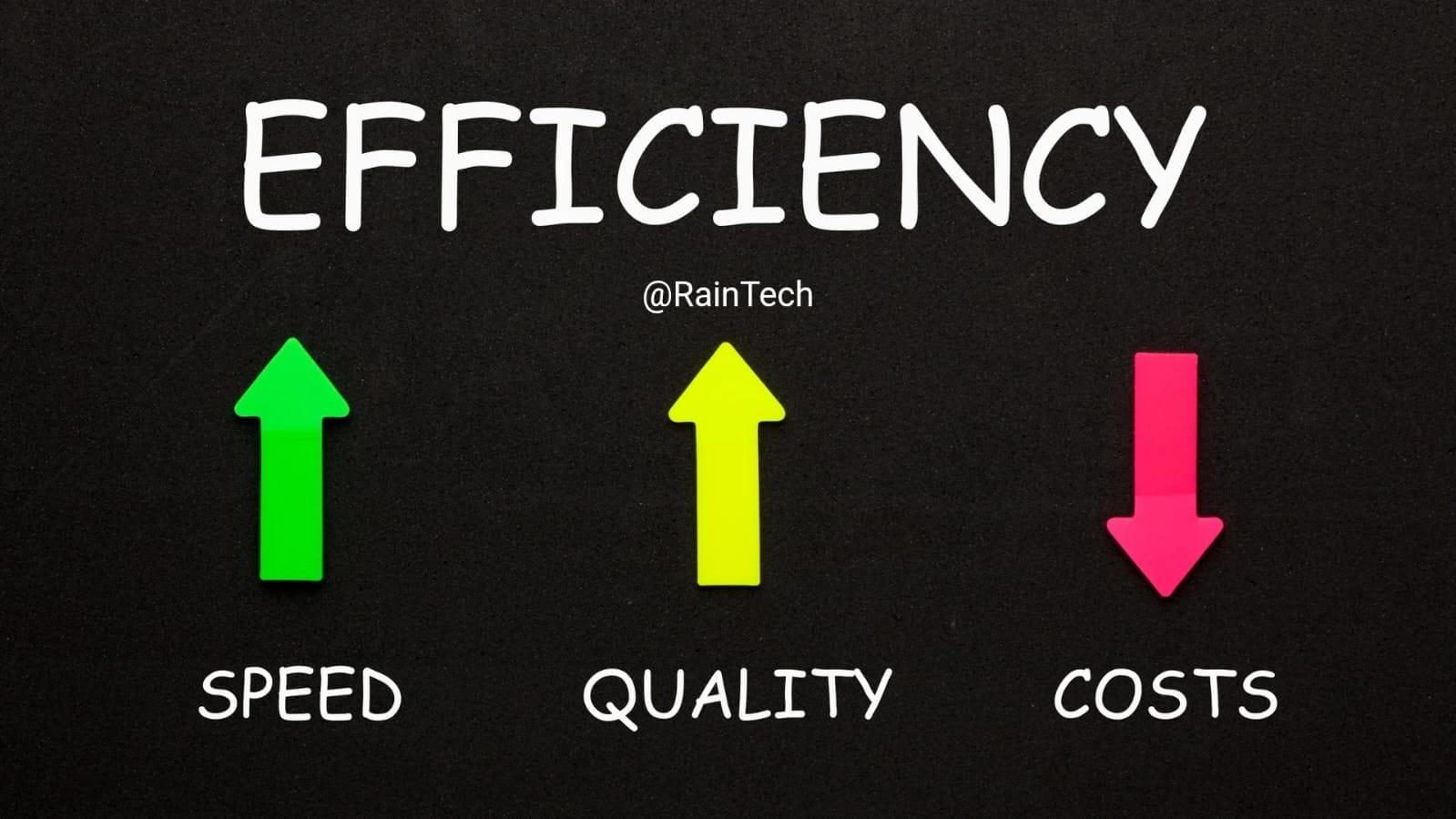
If you’re a CTO, VP Eng, or founder in Europe or the US, you’re likely balancing budget, speed, and quality at the same time. Local-only hiring often forces you to trade one off against the others.
This case shows that, with the right partner and infrastructure, senior Indonesian engineers can:
- Deliver production-scale outcomes (better API performance, faster feature delivery) at a lower total cost than traditional routes.
- Integrate into existing squads as peers when vetting, onboarding, and communication expectations are treated as first-class concerns.
- Help de-risk roadmap commitments tied to investor pressure and strategic launches by unlocking a reliable additional hiring channel.
For a single senior Node.js hire through RainTech, the usual timeline is 2 to 4 weeks from first consultation to accepted offer, and if you have no Indonesian entity, our Employer of Record service employs the engineer for USD 300 per month, the fee cap that applies at senior salaries.
How to Explore a Similar Setup for Your Team
If parts of this story feel close to your own situation: roles open for too long, rising hiring costs, and pressure from the business—it’s a good signal to rethink how you hire, not just how you interview.
Book a 30-minute call with RainTech to see what a 30–60 day plan with senior Indonesian engineers could look like for your stack, roadmap, and budget.
Reference: